
Today: 9:00AM - 9:00PM
Blog / Tire Services Temple Hills MD

Blog

All Tire Services Temple Hills MD Temple Hills Kia Dealer DARCARS Kia of Temple Hills Kia Specs & Features Temple Hills Kia Service Auto Service Maryland New Kia Models DARCARS Kia Temple Hills Service Kia SUVs Temple Hills, MD Kia Repairs Temple Hills MD Kia Maintenance Temple Hills MD 2022 Kia Models 2023 Kia Models Car Dealership in Temple Hills MD Driving Tips Safe Driving Tips Brake Repairs Temple Hills MD Electric Vehicles 2020 Kia Models Car Battery Temple Hills MD Kia EVs Temple Hills, MD Kia K5 Kia Safety Features Kia Sedans Temple Hills, MD Kia Seltos Temple Hills MD Kia Sorento Hybrid Temple Hills MD Kia Sportage Kia Telluride Temple Hills MD Road Safety 2022 Kia Hybrid and Electric Vehicles 2023 Kia Sportage Temple Hills, MD 2024 Kia EV9 Temple Hills, MD 2024 Kia Seltos Temple Hills, MD 2024 Kia Sorento Hybrid Temple Hills, MD 2024 Kia Sorento Temple Hills, MD 2024 Kia Soul Temple Hills, MD Buying a Car in Temple Hills MD Financing a Kia Kia Carnival Temple Hills MD Kia EV Temple Hills, MD Kia EV6 Kia Forte Kia Sorento Plug-in Hybrid Kia Soul Temple Hills MD 2022 Kia Model Lineup 2022 Kia Soul Temple Hills MD 2023 Kia Sorento Hybrid 2023 Kia Sorento Temple Hills, MD 2024 Kia Niro EV Temple Hills, MD Changing Tires Engine Service Fuel-Efficient Kia Models Temple Hills MD Gas Mileage Kia Carnival Kia Financing Temple Hills MD Kia Hybrid Models Temple Hills, MD Kia Luxury Features Kia Niro EV Kia Niro Models Kia Sorento Kia Transmission Repair Temple Hills MD New Driver Tips Why Buy A New Kia Winter Kia Service 2021 Kia Sportage 2022 Kia K5 Temple Hills MD 2022 Kia Sportage Temple Hills MD 2022 Kia Stinger Temple Hills 2022 Kia Telluride Temple Hills MD 2023 Kia Model Temple Hills MD 2023 Kia Seltos Temple Hills MD 2023 Kia Telluride 2024 Kia Carnival MPV Temple Hills, MD 2024 Kia Forte Temple Hills, MD 2024 Kia K5 2024 Kia Niro Hybrid Temple Hills, MD 2024 Kia Sorento Plug-In Hybrid Temple Hills, MD 2024 Kia Sportage Temple Hills, MD 2024 Kia Temple Hills, MD 2025 Kia Niro Plug-In Hybrid 2025 Kia Soul AC Service Temple Hills MD Alternator Repair Temple Hills MD Car Accessories Car Title Maryland Car Wax Temple Hills MD Checking Tire Pressure Defensive Driving Driver's License Test in Maryland Driving at Night Driving in Rain in Temple Hills Driving in the Snow Engine Diagnostic Temple Hills MD Engine Specs Forte vs. K5 Headlight Replacement Temple Hills MD Kia Accessories Maryland Kia Cars Kia Certified Pre-Owned Temple Hills, MD Kia Color Options Kia Compact Cars Kia Compact SUVs Kia Detailing Kia EV9 Kia K4 Kia Off-Roading Capabilities Kia Optima Kia Rio Kia Roadside Assistance Kia Trade-In Value Kia's Infotaiment System Low Tire Pressure Maryland Car Registration New Muffler Temple Hills MD New Tires Oil Change FAQs Oil Change Temple Hills MD Parallel Parking Tips Temple Hills MD Parking Tickets Pothole Repairs Maryland Potholes in Maryland Preparing for Harsh Weather Protecting Your Kia Squeaking Brakes Tips for Driving Around Roundabouts Towing Kia Models Transmission Repair Signs Transmission Service Temple Hills, MD Which Kia is Right for You? Winter Tires Temple Hills MD Winter Weather Driving Temple Hills
Taking Tire off Car Temple Hills, MD

4 Dangers of Driving with Low Tire Pressure

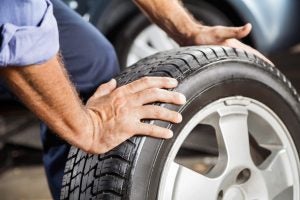
Car owners often take the little things for granted. One example is the Tire Pressure Monitoring System, or TPMS, a safety system that warns of low tire pressure in any of the four tires on a vehicle. The TPMS is standard equipment on many vehicles and for good reason. Also, it is important to regularly check the tire pressure on your car. Underinflated tires not only cost money, but they can also be downright dangerous. Here's an important message from your Kia dealer about the dangers of underinflated tires. Why Shouldn’t You Drive with Low Tire Pressure? Blowouts Underinflated tires are one of the leading causes of blowouts. When a tire's air pressure drops below the tire's design specifications, it causes excessive flexing in the sidewalls when cornering and braking. This can cause the tire to overheat and lead to a catastrophic failure in which the tire suddenly loses all its air pressure. If this blowout happens while you're driving at high speeds, it can be very dangerous. more Poor Handling Most people are aware that underinflated tires can lead to a flat tire or even a blowout, but few realize the other dangers they pose. For example, driving on underinflated tires can hurt your car's handling and make it harder for your car to grip the road. This can lead to accidents, especially in wet or icy conditions. Driving on underinflated tires is also hard on your suspension. The extra flexing of the tires puts additional stress on your shocks and other suspension components. Over time, this can lead to expensive repairs or even failure of these vital parts. Poor Mileage Another danger of driving on underinflated tires is that it can reduce fuel economy by as much as three percent. When a tire is not properly inflated, it has more rolling resistance, which means the engine has to work harder to move the vehicle. Besides reducing fuel economy and increasing unwanted emissions, it also puts additional strain on the engine, which can lead to mechanical problems. Reduced Tire Life Finally, another danger of driving with underinflated tires is reduced tire life. When a tire's pressure is low, the tire's footprint is distorted. This means that the rubber that contacts the road is not contacting it evenly, which causes increased wear on both the inner and outer shoulders of the tire. In addition to being dangerous, it's also costly. Over time, the distorted footprint will shorten the tire's life expectancy and you'll have to replace it prematurely. Notice Low Tire Pressure in Temple Hills, MD? Contact Us Today! The best way for avoiding problems caused by underinflated tires is to check your tire pressure regularly, keep your tires properly inflated, and respond in a timely way if your car's Tire Pressure Monitoring System indicates a problem. Remember, we're always here to help with any service or maintenance issue. And if you're in the market for a new car, visit DARCARS Kia of Temple Hills today and let us help find the perfect vehicle for you and your family!
Changing a Tire Temple Hills, MD

How to Change a Tire in 12 Easy Steps

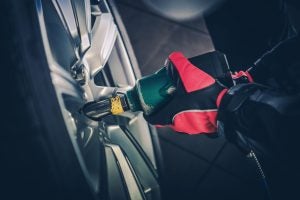
Flat tires have the tendency to occur just when you least expect it, even if you check your car’s tire pressure and inspect the tires regularly. But if you're prepared with a spare tire and the right tools, then it needn't ruin your day. Here's exactly how to change a tire with minimal fuss in 12 simple steps. And if you get stuck at any point, you can always check your owner’s manual or even call up your local Kia dealer for some detailed guidance. Have the Right Tools Handy A well-prepared driver always has a spare tire in the trunk, along with the basic tools you need to change a tire: a jack and a wrench. You can use a floor, scissor, or accordion jack. They all work well. In addition, you might make the job easier if you have the vehicle owner's manual, a tire gauge, and a flashlight handy. And you never know what sort of weather conditions you'll be working in, so it's wise to carry gloves, a raincoat, cold-weather clothing, and a mat for the ground. more Find a Safe Place to Stop If you can, find a well-lit place to pull over on a straight stretch of road, far from any corners. Pull over as far from the road as possible, out of the way of oncoming traffic. Stop on a flat area of ground where your car won't roll and put on your hand brake. Turn On Your Hazard Lights Any time you need to pull over and stop beside the road, there's the threat of other vehicles hitting you. Mitigate this risk by turning on your hazard lights, so drivers can see you from a long way off. Loosen the Lug Nuts Now it's time to begin. If you have a hubcap on the wheel, take it off. Then use your wrench to loosen each lug nut until they're loose enough to remove by hand. To do this, you'll need to turn the lug nuts counterclockwise. Use the Jack to Raise Your Car To raise the tire that needs changing, place the jack under a solid metal part of the car. Then start cranking until the flat tire is raised six inches off the ground. Where to Place Your Jack To avoid damaging your vehicle, place your jack with care. If you're driving our ever-popular Kia Forte, or any other modern Kia, you'll find clearly marked notches for jack placement just in front of each rear tire and just behind each front tire. If you're in any doubt, double-check your owner manual to find the safest placement areas on your vehicle. Use Your Jack Safely Always make sure that your jack is perpendicular to the ground throughout the entire process. If it's slanting at all, carefully lower your car and start again. Also, never let any part of your body go under your car when it's raised by a jack. Remove the Lug Nuts Now you can remove the lug nuts. Use the wrench or your hands to finish unscrewing them. Store the lug nuts somewhere carefully, so you won't lose them. Take Off the Flat Tire With the lug nuts gone, nothing is holding the tire on. A Kia's tire might weigh up to 50 pounds, so brace yourself well, grip with both hands, and pull it directly toward you. Put On Your Spare Tire To put the spare tire on, line up the holes with the lug nut posts and slide it on. Push the tire on as firmly as you can. Replace the Lug Nuts Put the lug nuts on and tighten them a little. But don't tighten them all the way just yet. We need to make sure the new tire is perfectly even. Partially Lower Your Car Use the jack to slowly lower your car until the new tire is touching the ground. Hold it there, where the minimal contact with the ground will hold the tire steady. Tighten the Lug Nuts Evenly Now tighten the lug nuts in a way that ensures the new tire is on straight. To achieve this, tighten each lug nut in increments, circulating through all four lug nuts until the tire is even and secure. Lower Your Car Completely Now you can use the jack to lower your car all the way and then remove the jack. At this final stage, check that your lug nuts are as tight as possible once again, and replace the hubcap if you have one. Congratulations on successfully changing your tire. Ask for a Demo at Your Local Kia Dealer in Temple Hills, MD Are you still feeling nervous about the operation? You could always visit your local dealership and ask for a demonstration when getting the tires changed by certified technicians. Get New Tires in Temple Hills, MD at Our Kia Dealership For guidance on changing tires or if you need to buy new tires for your Kia, visit DARCARS Kia of Temple Hills. Our friendly, knowledgeable staff are committed to providing every customer with nothing short of outstanding service, each and every time.

Checking Tire Pressure Temple Hills MD

How to Check the Tire Pressure on Your Kia

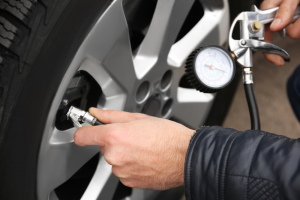
Tire pressure is an important part of your vehicle's maintenance, yet it is something that is often overlooked. Checking your vehicle's tire pressure takes just minutes to do and will prevent problems down the road. If you are unsure about how to check tire pressure on your Kia, check out these guidelines or come to our car dealership for tire services. Keep a Tire Gauge on Hand A tire gauge is necessary to measure the pounds per square inch, or PSI, in your tires. You can find one that’s affordable at your local hardware, auto parts, or convenience store. Tire pressure gauges come in stick, digital, or dial form, and can be easily stored in your glove box when you are not using them. more When to Check Your Tires Tires can lose between 1-3 PSI each month, so going months without monitoring your tire pressure will add up and potentially cause problems. A loss of pressure in your vehicle's tires can result in issues with handling, a reduction in gas mileage, and damage to the tires. Set a time each month to do a PSI check, keeping in mind that tires need to be cool for an accurate reading. It is recommended to wait three hours after driving to do this. Knowing the Correct PSI for Your Tires The correct PSI for your tires can be found in your vehicle's user manual, but more conveniently, it is also located on the driver's side door jam. There will be more than one number listed here, one for the recommended PSI and another that indicates the maximum amount of air the tire can hold. Be sure that you are doing a reading based on the recommended PSI and be advised that the number on the tire wall reflects the maximum psi for the tire. Using Your Tire Pressure Gauge When you are ready to check your tires, follow these steps: Remove the valve cap and keep it in a safe place. Press the tire gauge firmly against the valve so that air does not escape. Compare the reading on the gauge to the recommended PSI. If your tire is overinflated, use the gauge to release some air, then recheck the pressure. Replace the valve cap and repeat until all of the tires have been checked. Tire Pressure Monitoring Systems Tire pressure monitoring systems (TPMS) get installed in cars to warn drivers when they are having issues with the pressure in their vehicle’s tires. While it’s important to pay attention to, this should not be a replacement for regular tire checks. You will have peace of mind in keeping up with a hands-on approach to doing your own preventative maintenance. It will give you the opportunity to check the tread on your tires at the same time. Get Your Tires Serviced in Temple Hills, MD This attention to detail will keep your vehicle running safely for years to come. Be sure to visit us at DARCARS Kia of Temple Hills and stop by the Kia Service Department at our dealership when you need to schedule service. If you are shopping for a new Kia or used car, you can shop our wide variety while you’re here!

Contact Us

Fill out this form below and we'll contact you shortly
*Required Fields